
What is Chagas Disease?
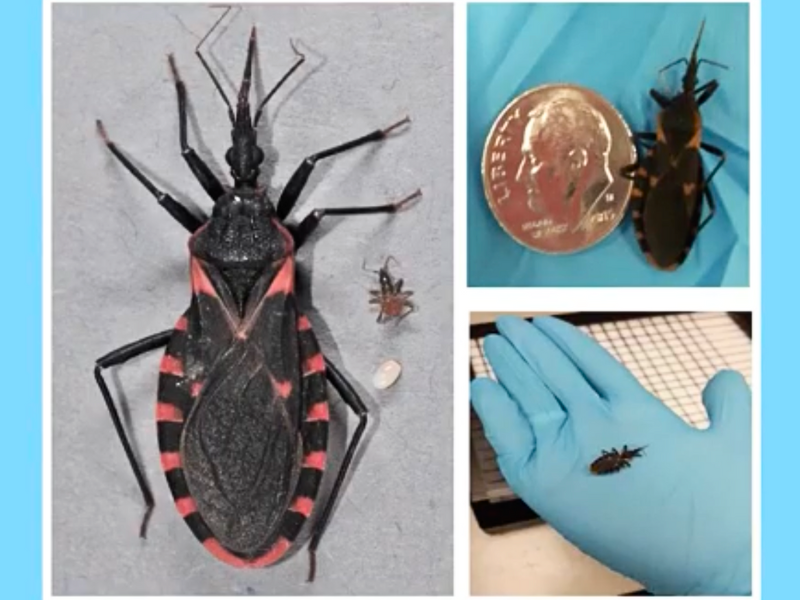
Chagas disease is a significant public health challenge in the world which also affects people in the United States, yet many people in this country are unfamiliar with it. You may yourself be asking, just what is Chagas disease?
Chagas disease, also termed American trypanosomiasis, is a disease caused by the parasite Trypanosoma cruzi, and it is transmitted to people and animals by triatomine bugs or kissing bugs.
The disease represents a major public health problem in the Americas, in that it affects 10 million people in our hemisphere, mostly in Mexico and Central America, but also from the southern part of the United States all the way to Argentina.
Of critical note for people living in the southern United States is that the disease is moving further north due to climate change.
Symptoms of the disease can include an irregular heartbeat or even congestive heart failure resulting in death, yet many of the most serious symptoms don’t present for many years, making treatment, done via drugs like benznidazole and nifurtimox, difficult. Those drugs can be 100% effective, but generally only when administered early on, and detection can be challenging.
Kissing bug bites present some swelling at the bite area and in the lymph nodes, and a fever may develop in conjunction. In those circumstances, identification of the kissing bug is key, to determine if the patient has had exposure to that particular type of insect. If those boxes are checked, the presence of the disease in the body can be detected by a simple blood test and treatment can begin.
Chagas disease is classified as a neglected tropical disease, and awareness can help battle its spread.
The First Annual US Chagas Disease Meeting took place in New Orleans March 26-27. Find out more!
See more research and news from the Vector Borne Infectious Diseases Research Center.