
Public health is research that protects communities
Who Comes Back & Why
Understanding the impacts of Hurricane Katrina
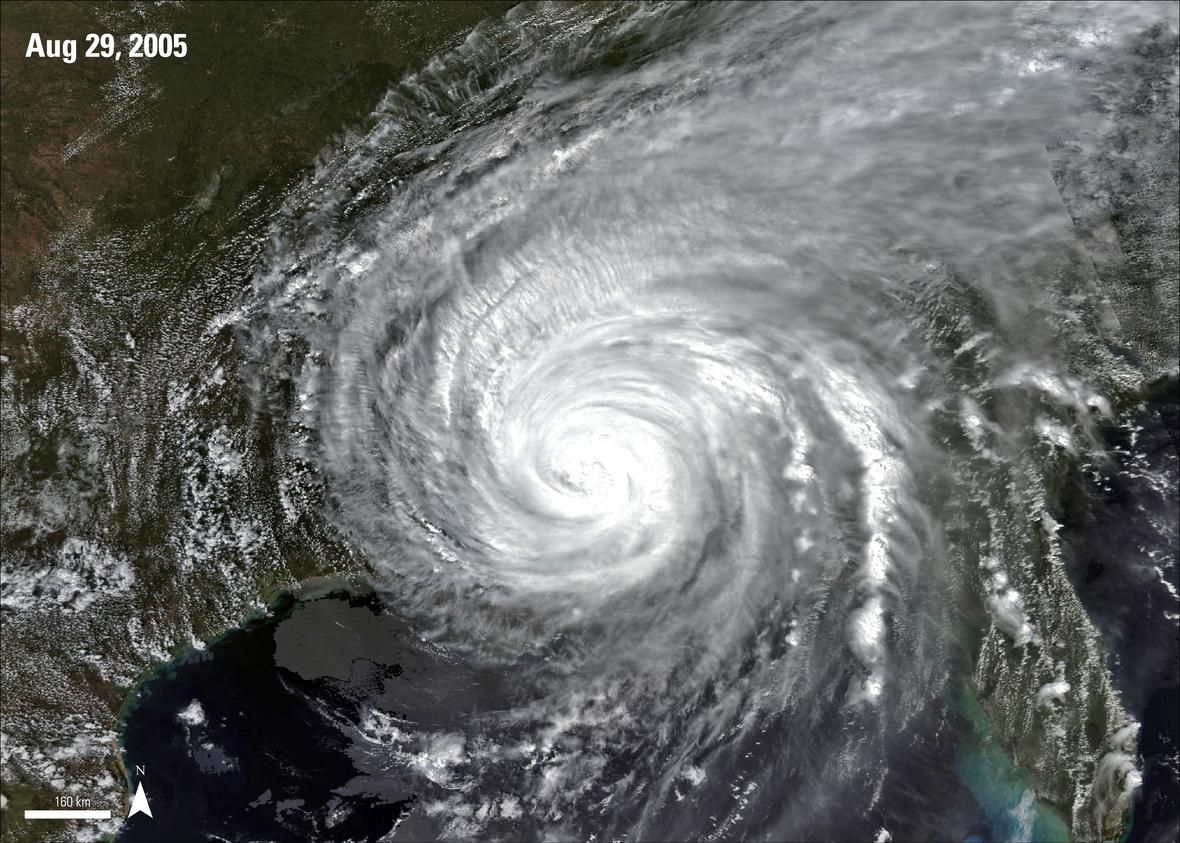
The 20th anniversary of Hurricane Katrina arrived in 2025, with some of the most critical questions surrounding the storm's impact still yet to be fully answered.
Yet, we have also learned a great deal. Tulane University's Celia Scott Weatherhead School of Public Health and Tropical Medicine has engaged in multiple studies to look at and address the many impacts from the storm in the two decades since levee failures decimated New Orleans and storm surge slammed large swaths of the Gulf Coast.
Kativa Nola took a closer look at Vietnamese-American families and how their cultural bonds and community structure accelerated their recovery, while the Gulf Coast Child and Family Health Study (GCAFH) took a broader sample to document recovery efforts among larger populations utilizing FEMA.
DNORS (Displaced New Orleans Residents Study) examined migration patterns and mental health impacts, while New Nola analyzed unequal repopulation in the New Orleans area.
A decade after the storm, several families were still having trouble transitioning to new communities or back home, documented by Katrina@10 and others. The Center for Studies of Displaced Populations along with texts such as Mark VanLandingham's "Weathering Katrina" helped further that knowledge.
We know that more loosely tied communities had a harder time coming back. We know working families were hit hardest economically. We know that the storm affected development in children and led to higher rates of asthma and behavioral issues. And we know that for families that did return, they often encountered gaps in coverage from missing medical providers.
Public health is understanding the impacts of storms like Katrina.
Tulane Public Health Faculty Contribute to Landmark “New Orleans at 20” Series
On the 20th anniversary of Hurricane Katrina, The Data Center has released its New Orleans Index at 20 series, a collection of in-depth analyses examining the city’s progress and challenges in the two decades since the storm. Designed to inform policymakers, civic leaders, and residents, the series highlights the ways disaster recovery, resilience, and equity continue to shape the region.
Learn About Our Faculty's Contributions
Center for Studies of Displaced Populations
The Center for Studies of Displaced Populations, established in 2016, supports several studies focused on individuals and families in transition.
Center for Studies of Displaced Populations
Academic Opportunities in International Health & Sustainable Development
The MPH program in International Health and Sustainable Development (IHSD) is designed to make graduates attractive for employment at international non-governmental organizations, public-private partnerships, and non-profit research and consultancy firms.
Check out related public health topics.
Understanding how climate impacts health Disaster Preparedness and Response