
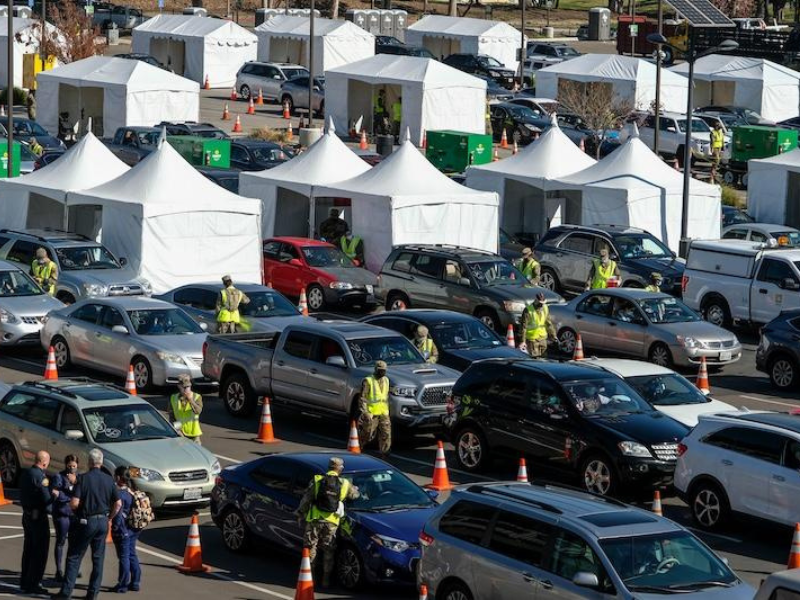
Even in the Gulf Coast, disasters are not limited to hurricanes
The Intersection of Disasters & Public Health
Disaster Preparedness and Response
Last year, the Celia Scott Weatherhead School of Public Health and Tropical Medicine at Tulane University was one of six leading universities selected to develop a new regional center for health security and response readiness, funded by the Centers for Disease Control and Prevention.
The Region 6 Center for Health Security and Response Readiness will address critical gaps in crisis preparedness in public health systems across Louisiana, Arkansas, New Mexico, Oklahoma, Texas, and 68 federally recognized tribal nations.
“The vision for the center is to create a robust, collaborative network that enhances the ability of public health systems to prevent, detect, and respond to emergencies on state, local, and tribal levels,” said Principal Investigator Stephen Murphy, director of the Tulane Disaster Management Master of Public Health Program. “This is an opportunity to better support our public health systems and workforce, build collaborative new partnerships, increase integration of evidence-based strategies into our emergency protocols, and use the decades of practice-based experience at Tulane and beyond to improve this region’s readiness for the emergencies of tomorrow.”
“The vision for the center is to create a robust, collaborative network that enhances the ability of public health systems to prevent, detect, and respond to emergencies on state, local and tribal levels,” said Murphy.
The center will work to improve coordination between multi-sector partners by examining previous disasters and identifying which institutional relationships should be bolstered prior to the next crisis. The center will also serve as an information and research hub that will collect and analyze local level data on past emergency responses to offer tailored crisis readiness guidance rooted in evidence and region-wide expertise.
Some of the types of questions the center will consider include:
- What triggers would signal a hospital to source potable water from elsewhere?
- Which partnerships can improve regional storm shelter capacity?
- What are the medical needs at different shelters?
- How do we connect various data sources to improve awareness between partners?
It’s important to remember that even in the Gulf Coast, disasters are not limited to hurricanes. Pandemics, major power outages, interruptions to the water supply, widespread industrial accidents, and terrorist threats are all included under the umbrella of health security, along with natural events like earthquakes, fires, and floods.
Student helped prepare for Super Bowl
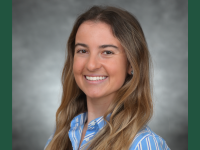
Savannah Baus (BSPH '23), an MPH alumna in Disaster Management, was part of a team that worked to tackle logistical challenges beyond the Super Bowl game itself. Her role involves taking a comprehensive approach to preparing for the massive influx of people expected in New Orleans—and the strain that influx may place on the local healthcare system.
Graduate blazes a trail in Homeland Security
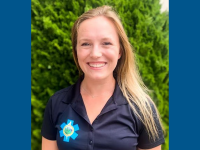
Despite living in the San Francisco area and holding a demanding position there as regional coordinator for the Association of Bay Area Health Officials (ABAHO), Emma Hunter (BSPH ’16, MPH DM ’17) still makes the time to give back to her school by engaging regularly with current students.
Academic Opportunities in Health Security

The MS in Health Security equips students with the practical tools and critical insight to protect population health in times of uncertainty. Whether responding to a disease outbreak, planning for extreme weather-driven health disruptions, or coordinating across agencies during a national emergency, students will gain the interdisciplinary training needed to lead.
Check out related public health topics.
Understanding the Impacts of Hurricane Katrina Understanding how climate impacts health