
Protecting Highly Vulnerable Children (HVC) Activity
At a Glance
Research Area
HIV Prevention & Care | Implementation Science | Monitoring & Evaluation | Digital Health & Data Systems | Child & Adolescent Health
Location
South Africa
Funding
United States Agency for International Development (USAID) South Africa
Tulane Faculty
Tonya Thurman, PhD, MPH | Tropical Medicine & Infectious Diseases (PI)
Johanna Nice, PhD, MPH | Tulane Murphy Institute
Status
Completed (2020–2025)
Project Highlights
- 1,200+ Youth living with HIV surveyed
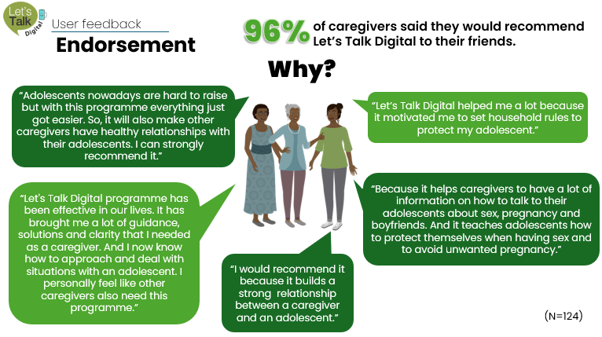
- 100,000+ Adolescents & caregivers reached with family strengthening/HIV prevention curriculum
- 140+ Implementing organizations using a community-based monitoring system designed by the center
- 24+ Million HIV prevention, care and support services monitored
Project Details
Overview
Unlike adults, children often cannot produce the respiratory samples needed for standard diagnostic tests, while advanced laboratory methods commonly used in high-income countries remain inaccessible in many parts of the world. This project is evaluating innovative approaches, specifically a novel CRISPR-based blood test and lung ultrasound, to improve the early detection of pediatric TB in Bolivia.
Why This Matters
Tuberculosis remains one of the world's leading infectious disease killers, yet diagnosing children with TB is especially difficult. Delayed or missed diagnoses can lead to prolonged illness, ongoing transmission, and preventable deaths. Developing affordable, accurate diagnostic tools that can be used in resource-limited settings has the potential to improve care for children in Bolivia and other high-burden countries.
Our Approach
Tulane and its international partners are evaluating new diagnostic technologies by:
- Testing a novel CRISPR-mediated blood assay that detects tuberculosis DNA circulating in the bloodstream.
- Measuring how well the new blood test distinguishes confirmed, probable, and unlikely TB cases in children.
- Evaluating lung ultrasound as a portable, low-cost alternative to chest X-ray for identifying TB-related lung disease.
- Combining laboratory biomarkers with imaging approaches to improve diagnostic accuracy.
- Following children receiving TB treatment to better understand how diagnostic markers change over time.
Potential Impact
If successful, this research could transform how pediatric tuberculosis is diagnosed in low-resource settings by providing accurate, affordable alternatives to current diagnostic methods. The project represents an important step toward making earlier diagnosis, and ultimately earlier treatment, accessible for children living in areas where TB remains a major public health threat.
Featured Innovation
A novel CRISPR-mediated assay developed at Tulane University detects Mycobacterium tuberculosis cell-free DNA in blood, offering a promising approach for diagnosing pediatric tuberculosis where conventional tests are often inadequate. Learn more about Tulane's CRISPR-based TB blood test.
Research Partnerships
United States
- Tulane WSPH Department of Tropical Medicine & Infectious Diseases
- Tulane WSPH Department of Biostatistics & Data Science
- Tulane School of Medicine
- Johns Hopkins Bloomberg School of Public Health
Peru
- Universidad Peruana Cayetano Heredia, Lima
- Asociación Benéfica Prisma, Surquillo
Bolivia
- Dr. Mario Ortiz Suarez Children's Hospital, Santa Cruz
Fieldnotes & Frontlines
Listen or watch interviews with WSPH researchers working around the world
STUDENT OPPORTUNITIES
Discover Practica, fellowships, and global research experiences.
Training & Opportunities