
Research Project: Evaluating Attractive Targeted Sugar Baits in Zambia
At a Glance
Research Area
Malaria | Vector Control | Community Randomized Controlled Trial
Location
Zambia (Western Province), with partner sites in Mali and Kenya
Funder
Gates Foundation via the Innovative Vector Control Consortium (IVCC)
Center
Center for Applied Malaria Research and Evaluation (CAMRE)
Faculty
Thomas Eisele, PhD, MPH | Tropical Medicine & Infectious Disease
Ruth Ashton, PhD | Tropical Medicine & Infectious Disease
Joshua Yukich, PhD, MPH | Tropical Medicine & Infectious Disease
Partners
Megan Littrell | PATH
Fred Yeomans | IVCC
Status
Completed, 2018 to 2024
Highlights
- Large-scale community randomized trial of Attractive Targeted Sugar Baits
- Combined epidemiological, entomological, and economic methods
- Results published in a Malaria Journal thematic collection
- Findings informed global malaria vector control policy
Project Details
Overview
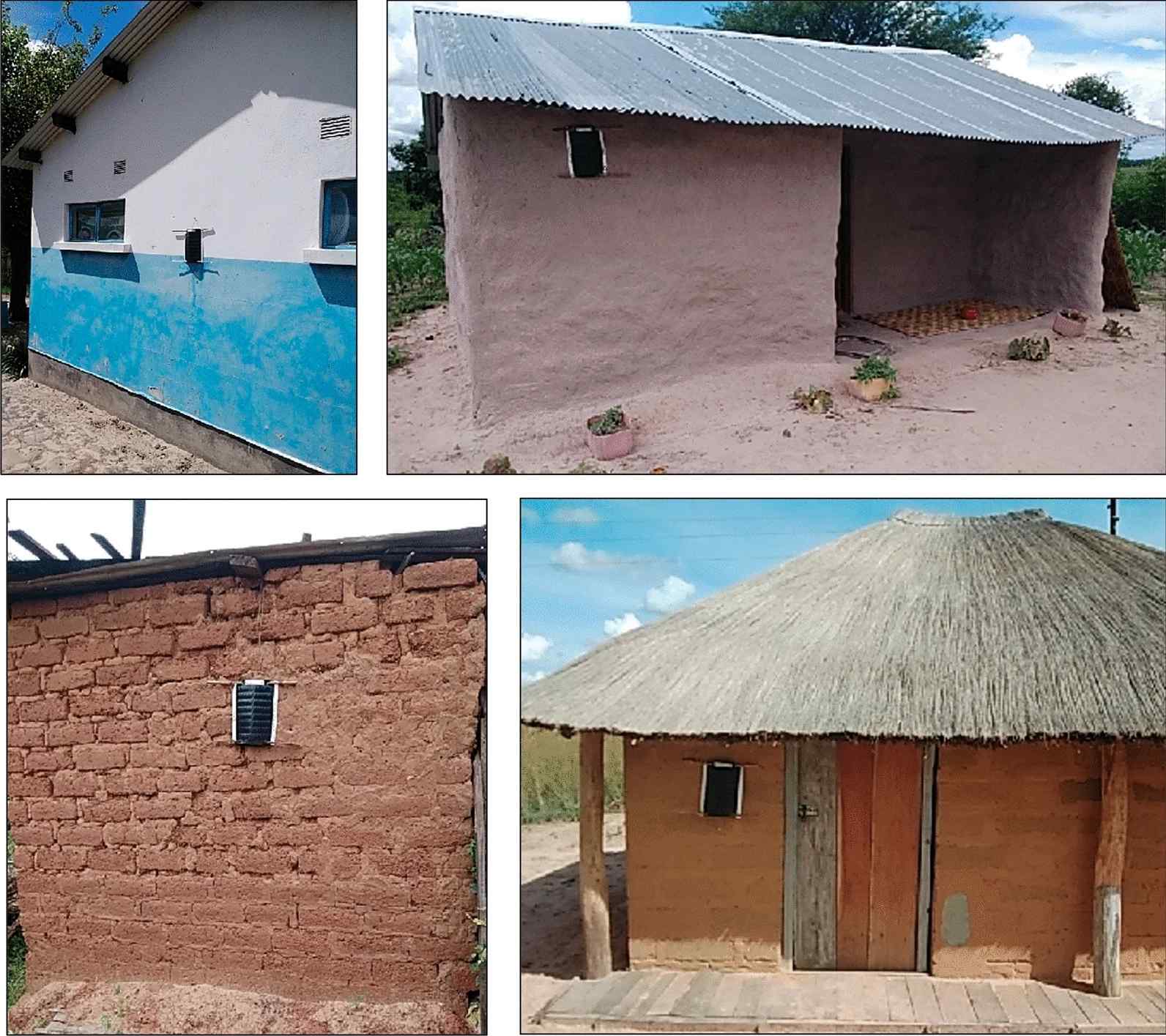
In collaboration with PATH, this project evaluated Attractive Targeted Sugar Baits (ATSBs) in a community randomized controlled trial in Zambia. The goal was to find out whether ATSBs could lower malaria in a setting with moderate, seasonal transmission.
Why This Matters
Malaria remains a leading cause of illness and death in Zambia, even with widespread use of long-lasting insecticidal nets and indoor residual spraying. New vector control tools are needed. ATSBs are one such tool. They target mosquitoes during their natural sugar-feeding behavior.
Our Approach
From 2018 to 2024, Tulane's Center for Applied Malaria Research and Evaluation (CAMRE) worked with PATH, Zambia's National Malaria Elimination Centre, and other partners on a large-scale cluster randomized trial in Western Province. It was part of a broader multi-country evidence effort funded by the Innovative Vector Control Consortium (IVCC).
- Co-led the design of the Zambia trial
- Developed the epidemiological and statistical analysis plan
- Worked with partners through implementation, analysis, interpretation, and dissemination
- Combined epidemiological, entomological, and economic methods to assess health and mosquito outcomes
Impact
The trial results were published in a thematic collection of Malaria Journal. They provide evidence to guide the future development and testing of new malaria vector control tools.
Key Achievements
- Produced high-quality evidence from large-scale cluster randomized trials
- Shared findings widely through international scientific conferences and peer-reviewed publications
- Informed global vector control policy. As evaluated in these settings, ATSBs did not show enough public health benefit for the World Health Organization to recommend them as a malaria vector control intervention
Research Partnerships
Tulane University
- Center for Applied Malaria Research and Evaluation (CAMRE)
Partners
- PATH
- Zambia National Malaria Elimination Centre
- Partner sites in Mali and Kenya
Funders
- Innovative Vector Control Consortium (IVCC)
- Gates Foundation
Featured Publication
Ashton, R. A., McDermott, D. P., Kane, F., Sarrassat, S., Harris, A., Fornadel, C., et al. (2026). Outdoor attractive targeted sugar bait Phase III trials for malaria control in Kenya, Mali, and Zambia: An individual participant data meta-analysis. PLOS Global Public Health, 6(10), e0006513. View publication.
Fieldnotes & Frontlines
Listen or watch interviews with WSPH researchers working around the world
STUDENT OPPORTUNITIES
Discover Practica, fellowships, and global research experiences.